BURN’s ECOA Char at the Centre of New Research Finding Cookstoves Among the World’s Most Effective Climate Interventions
Nairobi, Kenya –14th September 2026- BURN’s ECOA Char (Jikokoa) is at the centre of new peer-reviewed research from leading economists at the Wharton School of the University of Pennsylvania and the University of Chicago Booth School of Business, finding cookstove projects “among the most effective abatement opportunities available in the world today.”September 14, 2026
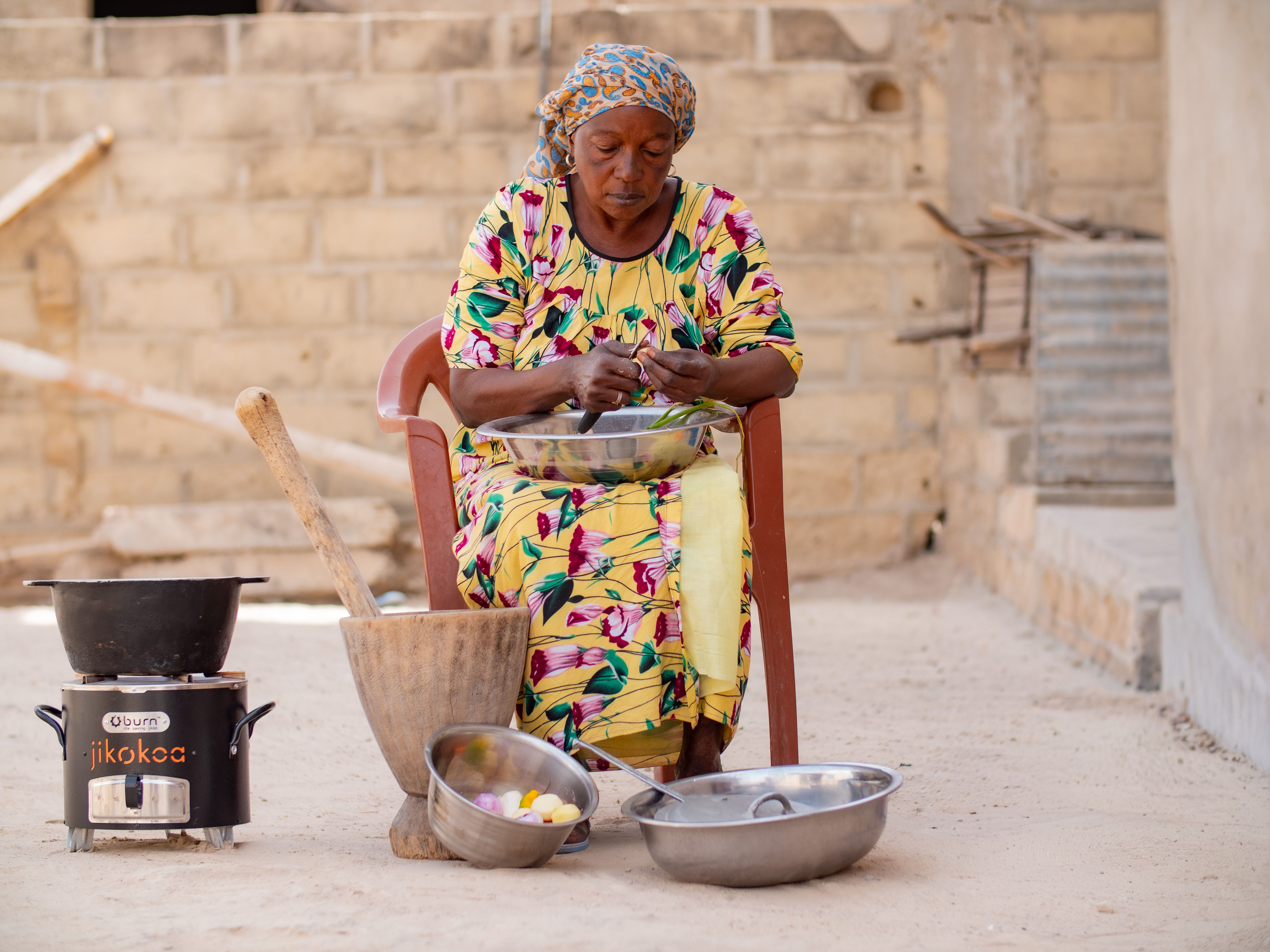
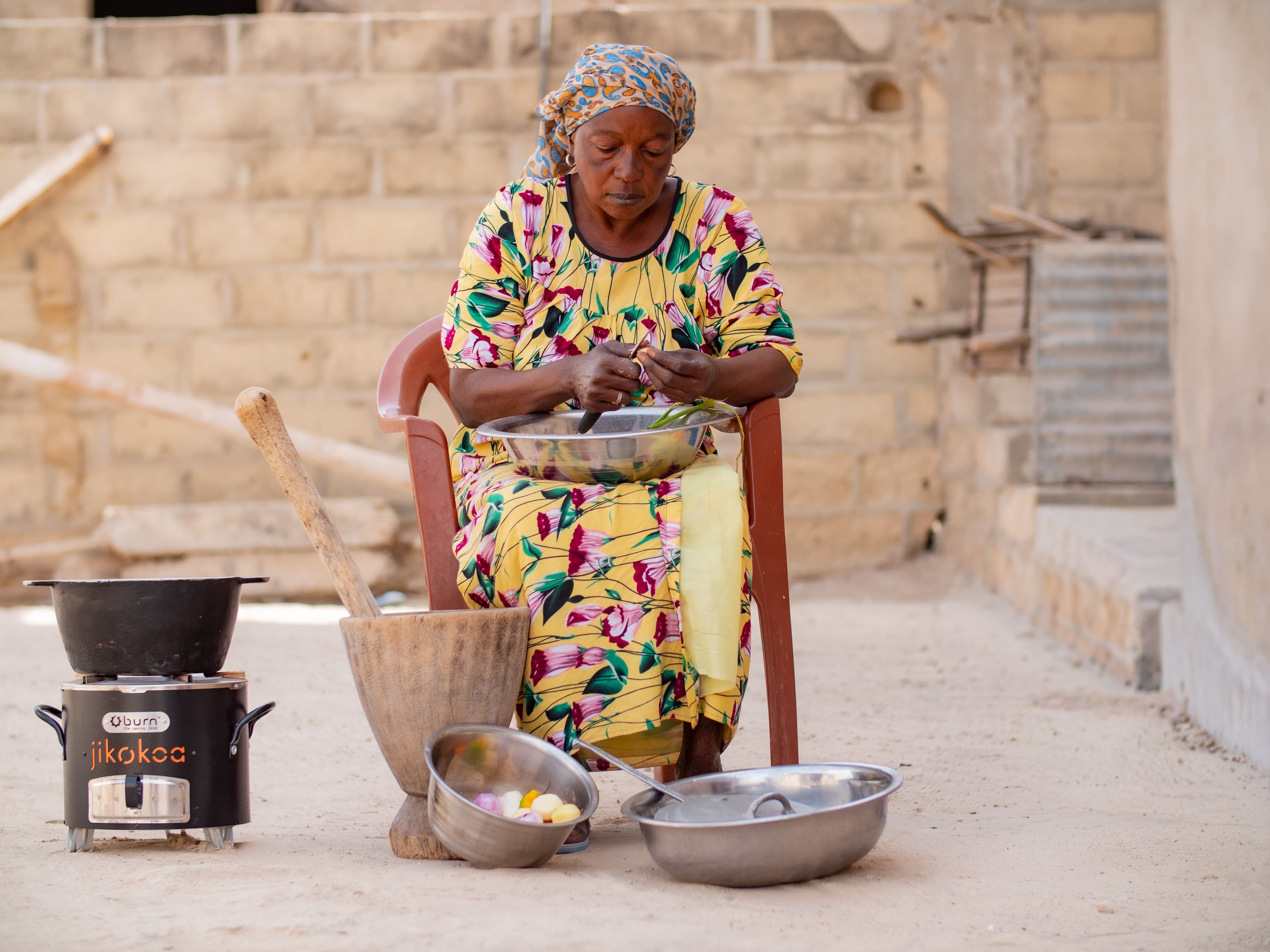
Nairobi, Kenya – 14th September 2026 – BURN’s ECOA Char (Jikokoa) is at the centre of new peer-reviewed research from leading economists at the Wharton School of the University of Pennsylvania and the University of Chicago Booth School of Business, finding cookstove projects “among the most effective abatement opportunities available in the world today.”
Dr. Susanna Berkouwer and Dr. Joshua Dean have published a new study based on their Randomized Controlled Trial (RCT) of BURN’s ECOA Char (Jikokoa), involving 955 households in Nairobi. The research examined not only whether households adopted the improved stove, but whether the intervention was genuinely additional, how much charcoal households saved, whether stoves remained in use over time, and the cost-effectiveness of the resulting emissions reductions.
The findings show that one additional stove sale required just US$32 in aggregate subsidy spending — normally provided by carbon credit pre-finance — after accounting for households who would have purchased a stove without the subsidy. The study also found that without subsidies, 90% of households in the control group did not own an improved stove 3.5 years after the initial study, highlighting the strong additionality of the intervention and the essential role of carbon finance in enabling adoption, even in urban settings such as Nairobi.
The research found that BURN’s Tier 4 charcoal cookstove delivered significant and sustained impact, with a single stove in Kenya avoiding approximately 1.7 tonnes of CO₂e per household per year. 83% of buyers still owned a working stove 3.5 years after purchase, demonstrating the durability and sustained real-world use of BURN’s high-quality stove.
The study also found that every dollar spent subsidising cookstoves reduces 195 times more CO₂e than a dollar spent subsidising electric vehicles and 33 times more than a dollar spent subsidising rooftop solar. Abatement effectiveness was minimally affected by fNRB, with the cookstove remaining highly cost-effective even at fNRBs as low as 10%. Taken together, these findings put the estimated cost of carbon abatement at approximately US$7 per tonne of CO₂e.
The findings provide some of the strongest independent evidence yet of the climate impact, additionality and cost-effectiveness of high-quality cookstove projects. They also reinforce what BURN’s own monitoring has consistently demonstrated across its portfolio: households reduce charcoal consumption by an average 40–60%, while 80–90% of stoves remain in active use over several years for a typical project.
The convergence of rigorous academic research and real-world monitoring strengthens the case for high-integrity clean cooking as one of the world’s most compelling climate and development solutions.
The findings also highlight the importance of quality and affordability in driving lasting adoption. High-quality, durable cookstoves can continue delivering climate impact years after purchase, while carbon finance can help overcome the upfront affordability barriers that prevent households from adopting them in the first place. By combining effective technology with targeted financial support, carbon finance can unlock measurable climate impact alongside meaningful economic and social benefits for households.
The findings further reinforce the high standards BURN has consistently upheld across its carbon portfolio. BURN’s Kenya projects are rated BBB to AA by leading carbon-rating agencies BeZero and Calyx, and BURN was the first carbon project developer to issue ICVCM CCP-labelled cookstove credits in Kenya.
With millions of households across Africa still reliant on biomass, the findings point to a significant opportunity to scale high-quality clean cooking as a cost-effective climate intervention while delivering economic, social and environmental benefits to households.
About the Study
The research is based on a Randomized Controlled Trial involving 955 households across Nairobi, Kenya, evaluating BURN’s ECOA Char (Jikokoa). The study examined both additionality — whether households would have purchased the improved stove without a subsidy — and impact, measuring how household charcoal consumption changed following adoption.
Households were randomly offered different levels of subsidy, with researchers conducting a follow-up assessment 3.5 years after purchase to measure stove retention and outcomes. Multiple independent measures of charcoal consumption were used to rigorously assess the intervention’s real-world impact and cost-effectiveness.
To note: The study evaluated an earlier model of BURN’s ECOA Char (Jikokoa). Since the study, BURN has continued to advance the product, with the current model incorporating significant performance and design improvements.
About BURN
Headquartered in Nairobi, Kenya, BURN is Africa’s leading clean cooking company and one of the only carbon project developers managing the entire carbon value chain — from project design and in-house monitoring to credit issuance and sales.
Operating in 12 African countries, BURN employs over 3,000 people. Its cookstoves have generated ~10 million Gold Standard credits, reduced indoor air pollution by up to 100%, and protected forests by saving over 47.8 million tons of wood.
Learn more at www.burnstoves.com