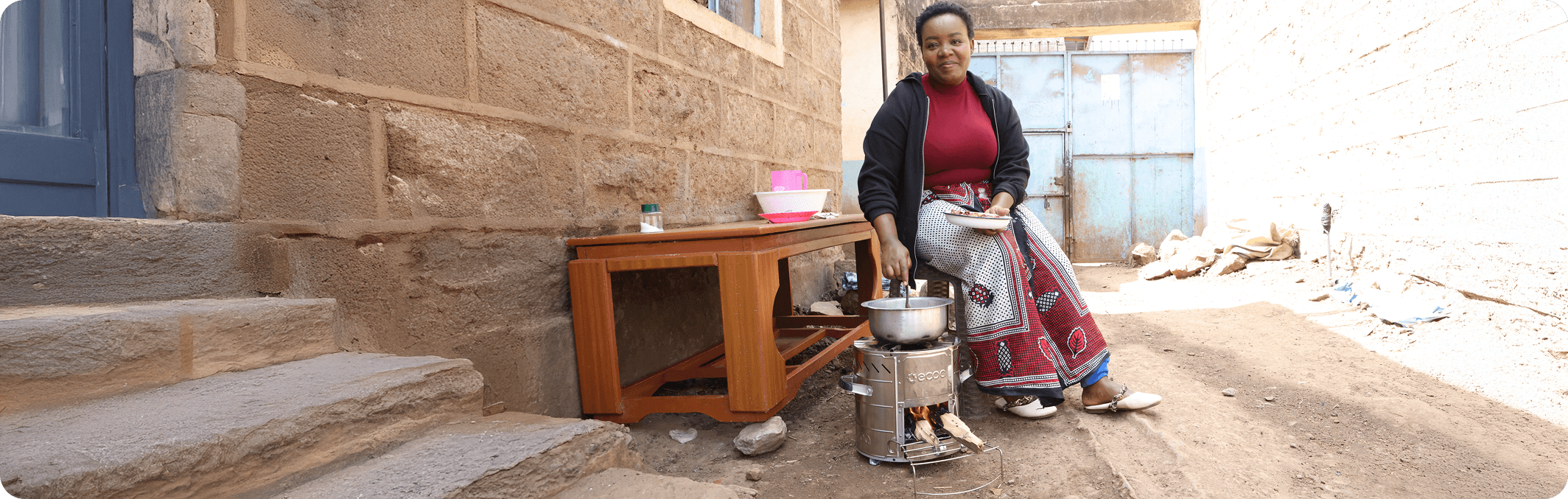
Carbon Reductions Through Clean Cooking in Kenya
GS12350, a Global Cookstoves project, which is a joint venture between Key Carbon and BURN Manufacturing helps, families across rural Kenya transition from three-stone fires and inefficient wood stoves to the high-efficiency Kuniokoa stove. Each stove is uniquely serialized and registered, and customers receive simple training at purchase. Local partners provide reliable after-sales support to ensure long-term use. Where available, carbon finance lowers the upfront cost, enabling households to start cooking efficiently immediately while saving fuel, time, and money within weeks.
Key Facts
MethodologyGold Standard TPDDTEC
Project typeClean Cookstove Carbon Project (CCP-labelled)
Project locationKenya (rural focus; multi-county deployment)
CertificationsGold Standard VERs (Verified Emission Reductions)
Project statusVerified
Credit issuerGold Standard
Credit period forecast2022–2033
Years developing carbon projects10+ years
Key differentiators
Locally appropriate, efficient cookstoves
Kuniokoa is designed for Kenyan cooking patterns, pot sizes, and fuels. Field performance shows large reductions in woody biomass consumption and faster boil times compared to baseline devices. Users typically report substantial weekly cash and time savings.
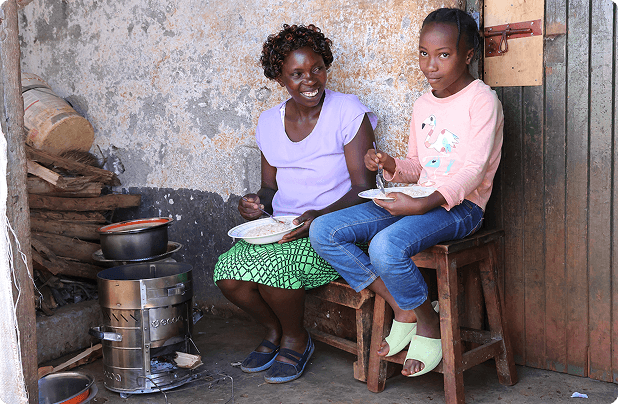
Community-centered distribution and training
Sales flow through trusted local channels and community groups. User training and after-sales service are delivered locally, and spares are stocked so performance and savings persist over time.

Digital monitoring for carbon integrity
Every stove is serialized and registered. Follow-ups use structured household surveys and Kitchen Performance Tests, with periodic spot checks and independent verification. These practices support conservative, auditable calculations that align with Core Carbon Principles.
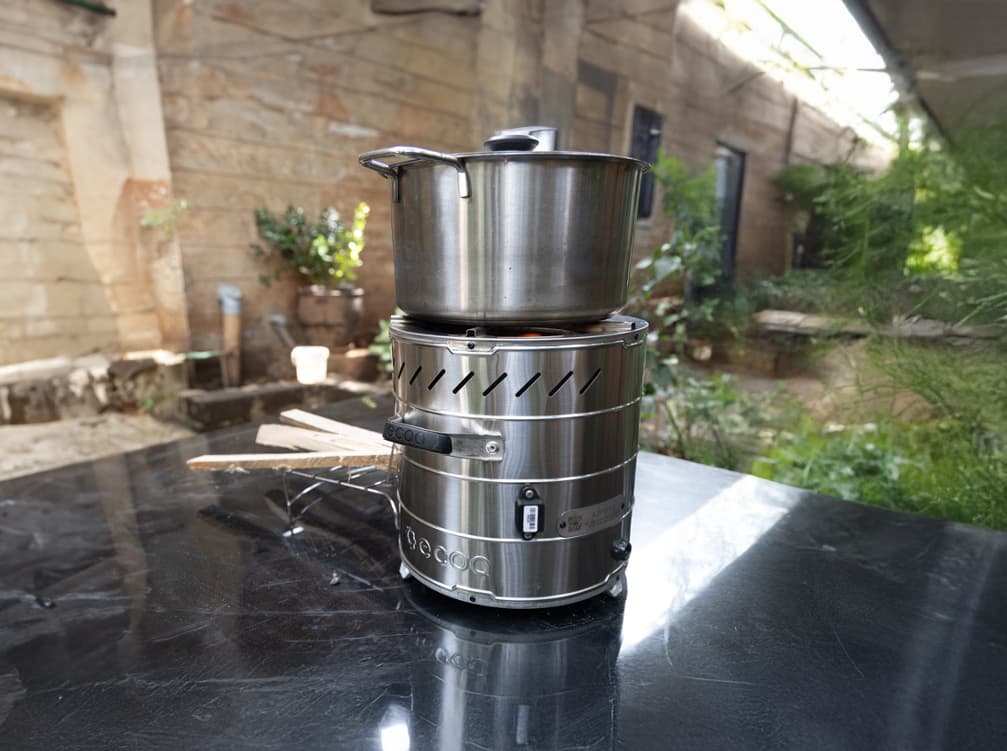
Value-based affordability
Carbon finance anchors the buyer’s net price against expected weekly fuel savings, so payback is measured in weeks rather than months. This protects adoption and supports scale while maintaining credit integrity for CCP-labelled units.
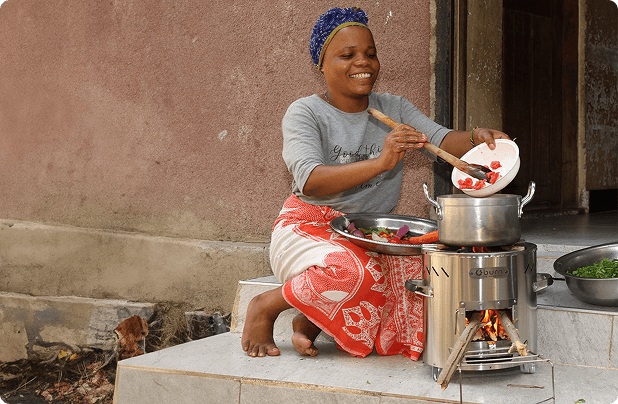
End-use benefits

Up to ~ 65% reduction in firewood use per household (typical field results)

Improved indoor air quality, leading to better health outcomes

Reduced CO₂ emissions, with credits supporting global climate goals

Local livelihoods, with jobs and training across manufacturing, distribution, and service
Locations
Products
Policies
© 2025 BURN. All Rights Reserved. 2.0.0Privacy Policy