News
SBTi V2.0 and the Carbon Market
High-quality carbon credits have a new role to play in corporate climate action.
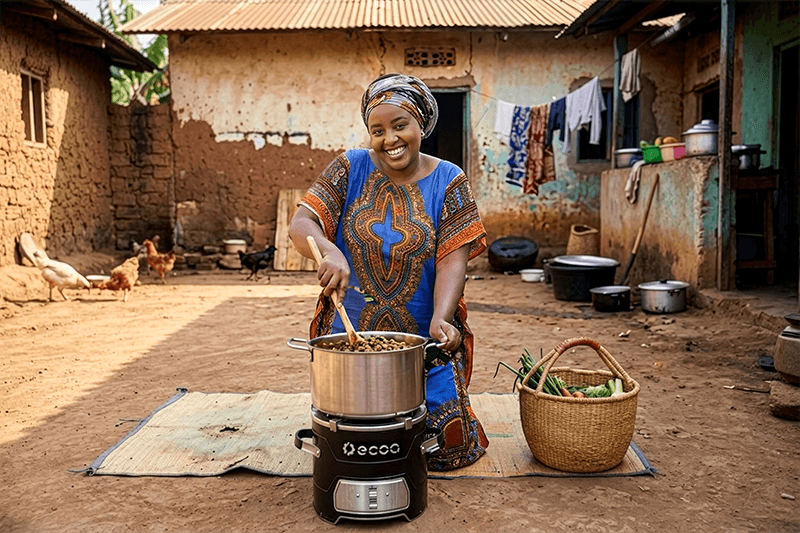
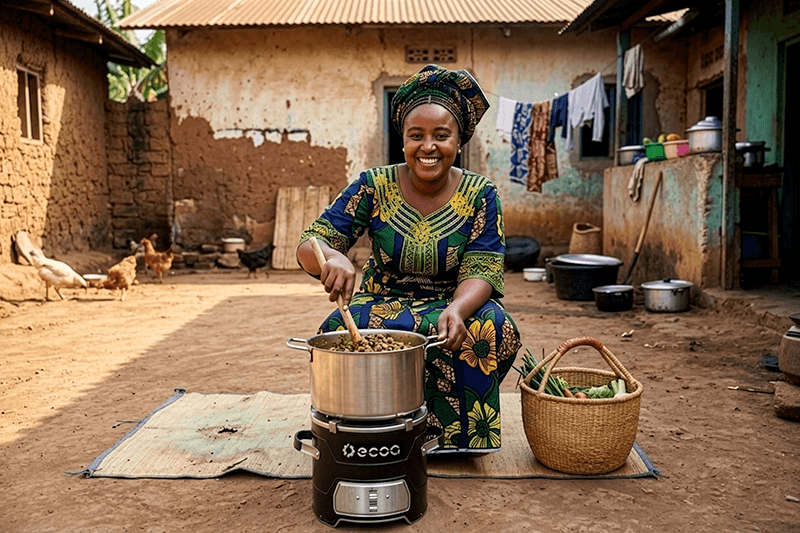
BURN's clean cooking carbon projects have been independently assessed by leading ratings agencies, including BeZero, Calyx, and Sylvera.
Across our portfolio, five projects have achieved BBB ratings from BeZero: GS12350 (Kenya), GS12285 (Somalia), GS12299 (Mozambique), GS10791 (Kenya), and GS10792 (Kenya). In addition, GS12350 (Kenya) and GS5642 have achieved AA (Tier 1) ratings from Calyx, among the highest ratings awarded to clean cooking projects assessed by the agency.
These independent assessments reflect not just the robust emission reductions of our projects, but also the strength of the systems underpinning them - including technology performance, targetted distribution, robust monitoring, data integrity, and measurable development impact.
For BURN, these ratings reflect years of investment in optimizing technology, local manufacturing, targetted distribution, robust monitoring; piloting dMRV, and data integrity. More broadly, they reflect a shift taking place across the voluntary carbon market.
Buyers are increasingly looking beyond certification alone. They want independent evidence that projects are delivering real, measurable, and durable impact. They want greater visibility into project design, implementation, monitoring, and risk.
This is where ratings are becoming increasingly important.
While standards such as the Core Carbon Principles (CCP) establish important quality benchmarks, ratings agencies provide an additional layer of assessment. They assess the factors that determine real-world performance and long-term credibility, helping buyers better understand both strengths and risks.
In many ways, ratings are shifting market conversation from compliance to performance.
That shift is especially important in clean cooking.
A carbon credit is only as credible as the system behind it. Technology must perform in real households, with high-quality design enabling sustained, high-frequency use. Distribution must drive lasting adoption, supported by direct engagement with users to ensure products are understood, valued, and consistently used. Monitoring must capture real-world usage, and data must withstand rigorous scrutiny.
These are not abstract requirements. They are the foundations of carbon integrity.
And they are precisely what independent ratings evaluate.
At BURN, our ratings reflect years of investment in designing efficient cookstoves, building local manufacturing capacity, developing targetted distribution networks, and deploying digital monitoring systems that improve data quality at scale.
Importantly, the strongest projects deliver more than emissions reductions.
Well-run, highly rated and CCP-label clean cooking projects generate enormous measurable benefits for households and communities, including reduced fuel consumption, lower household expenditure on cooking fuels, improved indoor air quality, reduced exposure to harmful smoke, and significant time savings for women and families who would otherwise spend hours collecting fuel.
In the case of BURN’s projects, a peer-reviewed independent RCT study found charcoal spending was reduced by $2.28 per week, corresponding with a 39% decrease in charcoal consumption. Annual savings of $119 per year corresponded to a month of income on average. This was later reconfirmed by a follow up from the authors in 2026 finding that in addition to all their co-benefits, a BURN stove represents one of the most affordable interventions for CO2 abatement, ~200x times more effective than EV subsidies.
Co-benefits are increasingly recognised within rating-agency project assessments. Calyx, for example, evaluates sustainable development outcomes alongside climate impact, providing buyers with a more holistic view of project quality. Strong ratings therefore reflect not only credible emissions reductions, but also meaningful and measurable benefits for the communities the projects serve.
This is particularly relevant as corporate buyers become more sophisticated in their approach to carbon markets. Increasingly, they are seeking projects that can demonstrate both climate integrity and broader social impact.
Our ratings are not an endpoint. They are an external validation of systems we are continuously working to improve.
The value of a rating is not the score itself. It is what the score reveals: the quality, transparency, and robustness of the underlying project.
As the market matures, no single signal will be enough on its own. Buyers will increasingly rely on a combination of rigorous standards, strong monitoring, transparent reporting, and independent ratings to assess quality.
The strongest carbon credits will not be defined by labels alone.
They will be defined by evidence that can be tested, compared, and trusted.
Build With Us
BURN currently has CCP-labelled credit supply available from projects in Kenya, Mozambique, Somalia, Uganda, and Zambia, with additional CCP issuances expected across our growing portfolio.
If you are looking to secure high-quality carbon credits backed by independently rated projects, measurable household impact, and CCP-labelled supply, we would welcome the opportunity to discuss your requirements.
→ Contact us to explore available CCP-labelled cookstove credits and future supply opportunities.
High-quality carbon credits have a new role to play in corporate climate action.
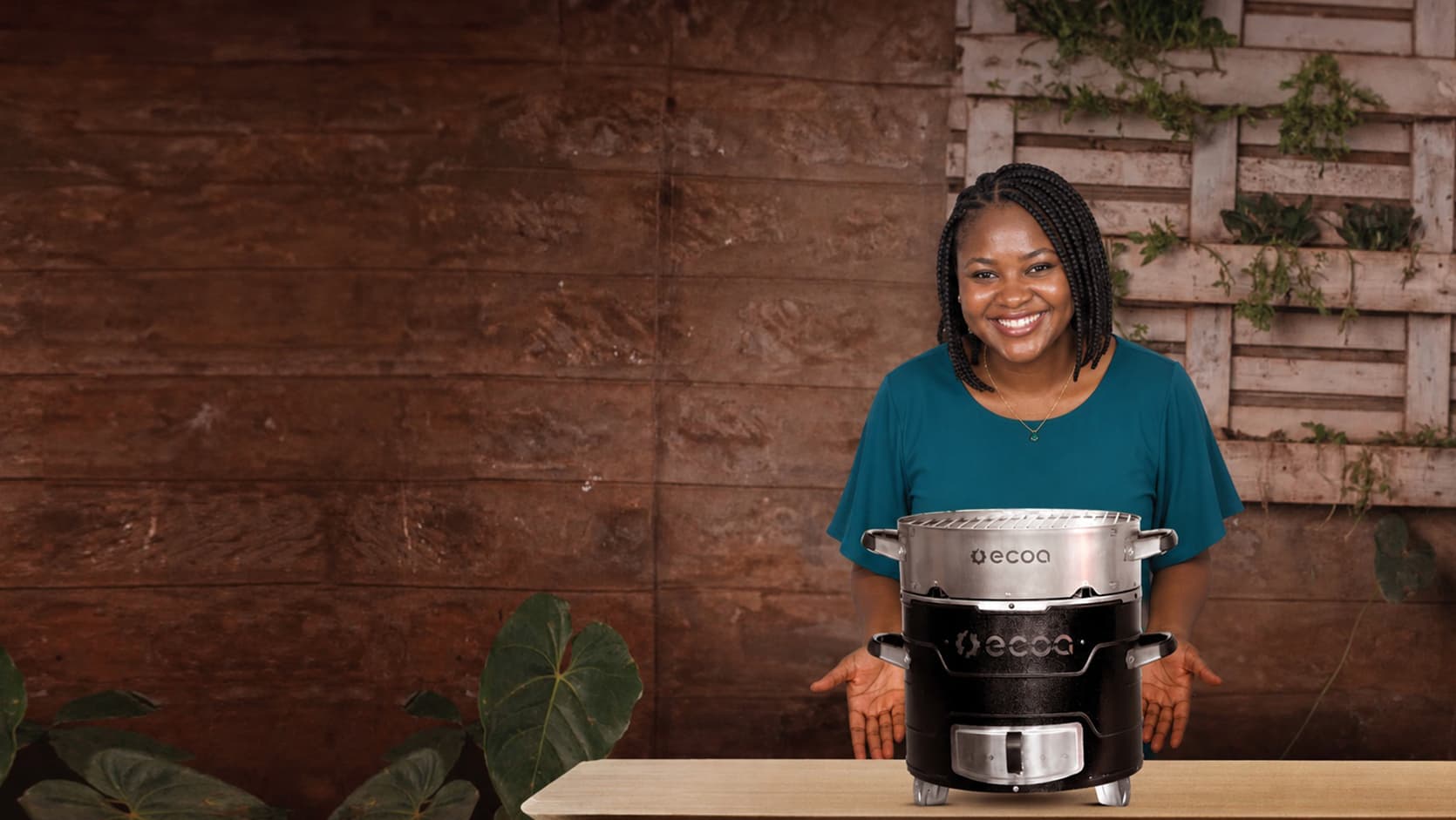
At BURN, we are continuing to build one of the most advanced clean cooking carbon portfolios in Africa, with a growing number of Letters of Approval (LOAs) issued under Article 6.2 of the Paris Agreement, authorizing the transfer of carbon credits between countries, secured across key markets

At BURN, we have spent the past two years preparing a robust supply of CP1 credits, with the goal of providing a credible and impactful pathway for carbon offset buyers.
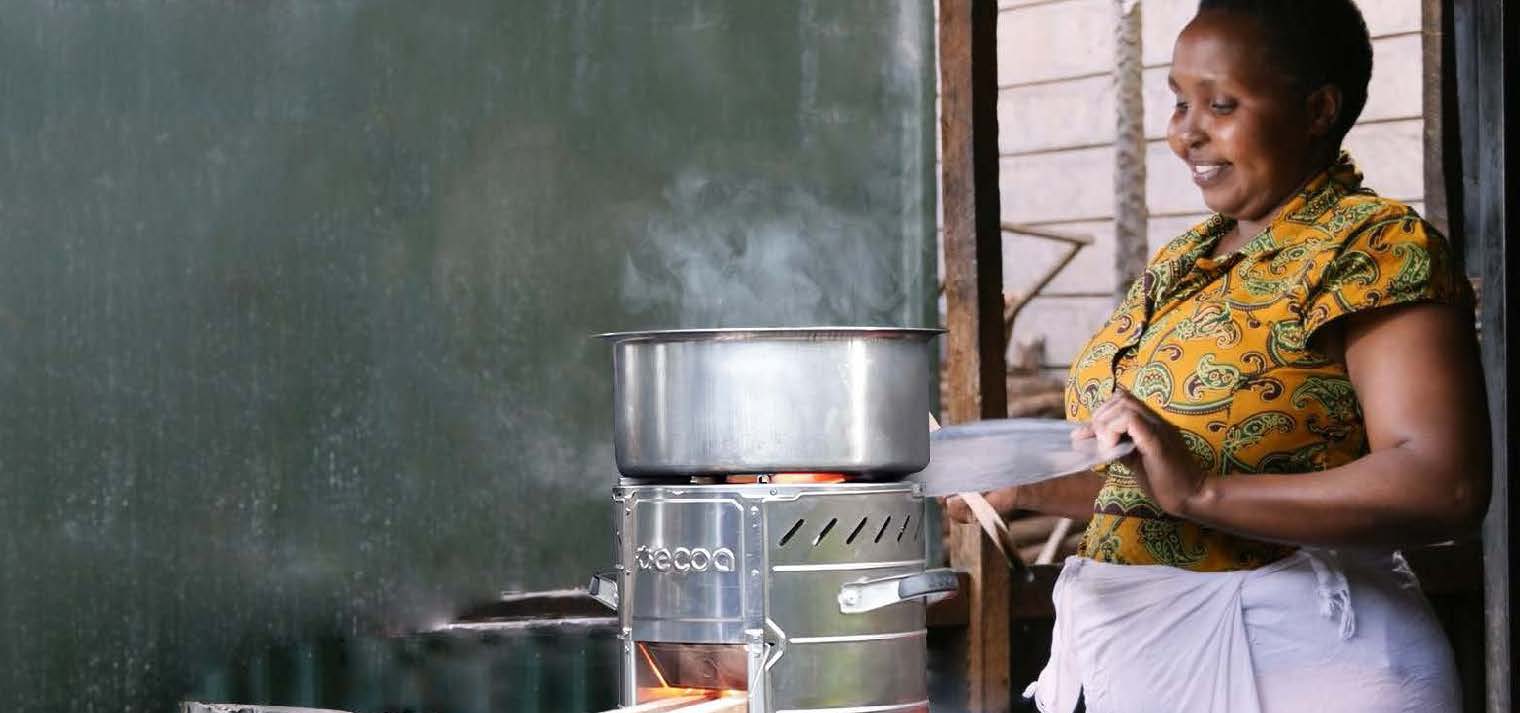
At sunrise in rural Kenya, a Kuniokoa cookstove is already in use. A family prepares tea without thick smoke filling the room, using far less firewood than they once did.
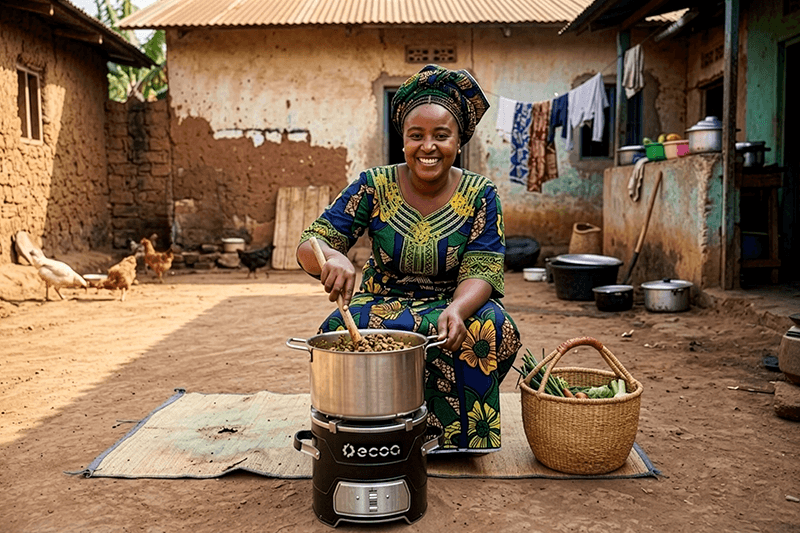
High-quality carbon credits have a new role to play in corporate climate action.

At BURN, we are continuing to build one of the most advanced clean cooking carbon portfolios in Africa, with a growing number of Letters of Approval (LOAs) issued under Article 6.2 of the Paris Agreement, authorizing the transfer of carbon credits between countries, secured across key markets

At BURN, we have spent the past two years preparing a robust supply of CP1 credits, with the goal of providing a credible and impactful pathway for carbon offset buyers.
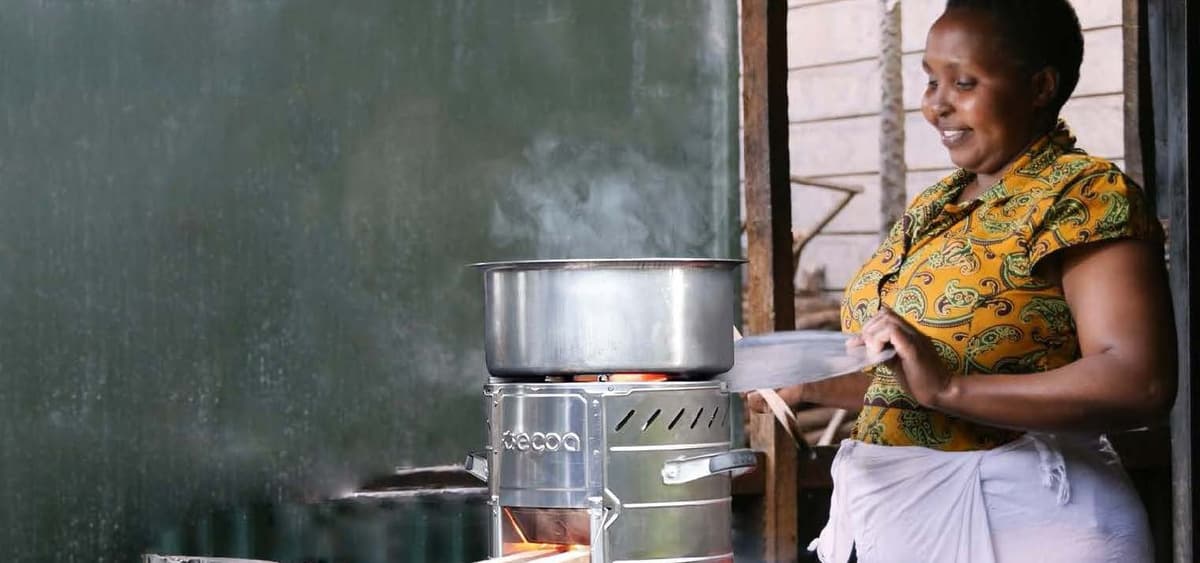
At sunrise in rural Kenya, a Kuniokoa cookstove is already in use. A family prepares tea without thick smoke filling the room, using far less firewood than they once did.
Want expert insights on carbon integrity, African project pipelines, and CCP developments?